Practical agricultural weather guides
Clear, referenced guides for everyday field decisions. Understand what a measurement or forecast shows, how to check it on site, and when a single number is not enough.
Start with the decision you need to make
Irrigation and water balance
Rainfall conversions, evapotranspiration, soil moisture measurement and the timing of irrigation.
Crop protection
The wet foliage, the spray window and the weather-related risk of potato late blight.
Frost and microclimate
Dew point, ground frost, frost protection irrigation and soil temperature.
Crop condition and development
NDVI deviations, growing degree days (GDD) and the early signs of plant heat stress.
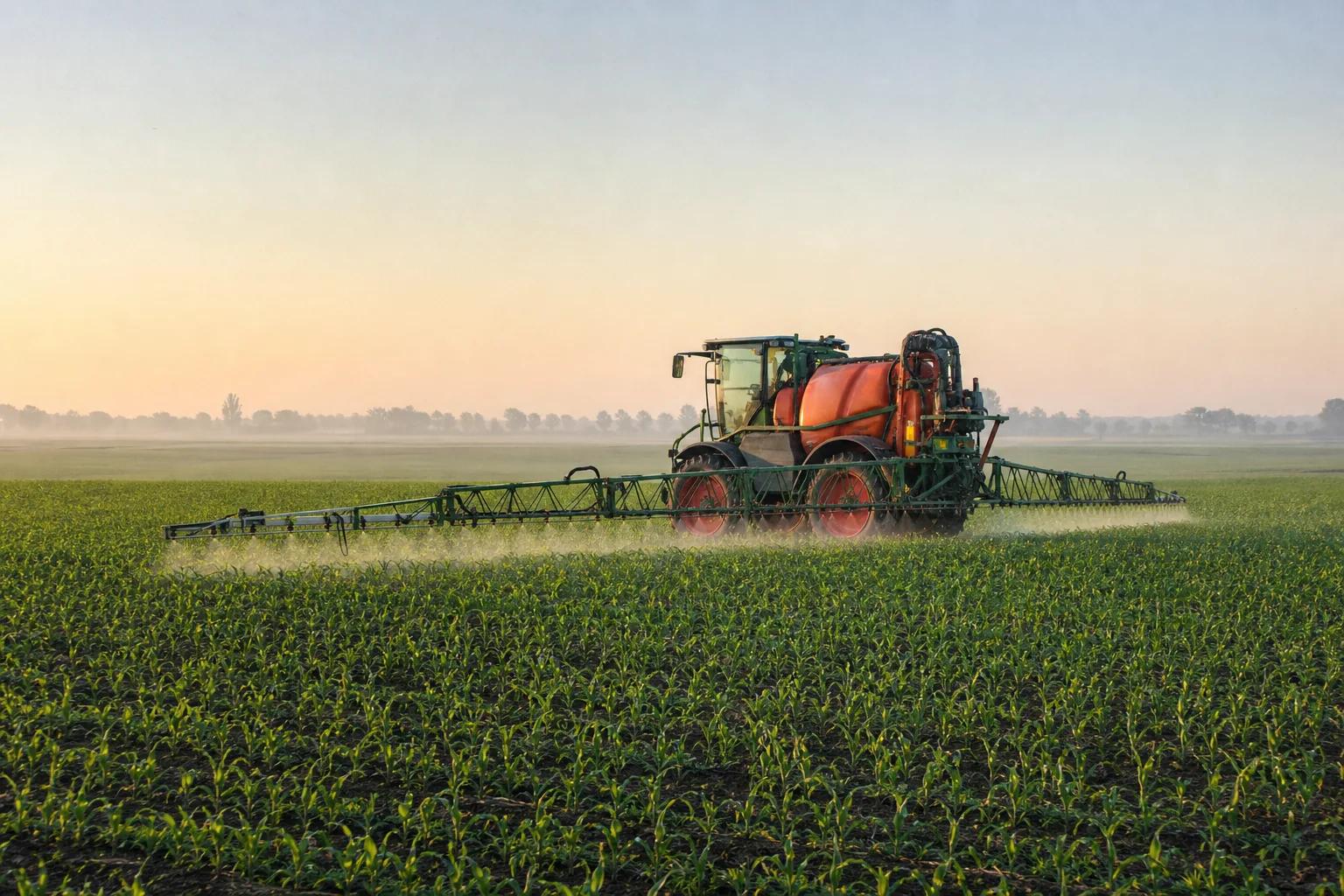
When can you spray? How to choose a suitable weather window
Wind, rain, humidity and temperature: a practical checklist for safer timing.
Read guide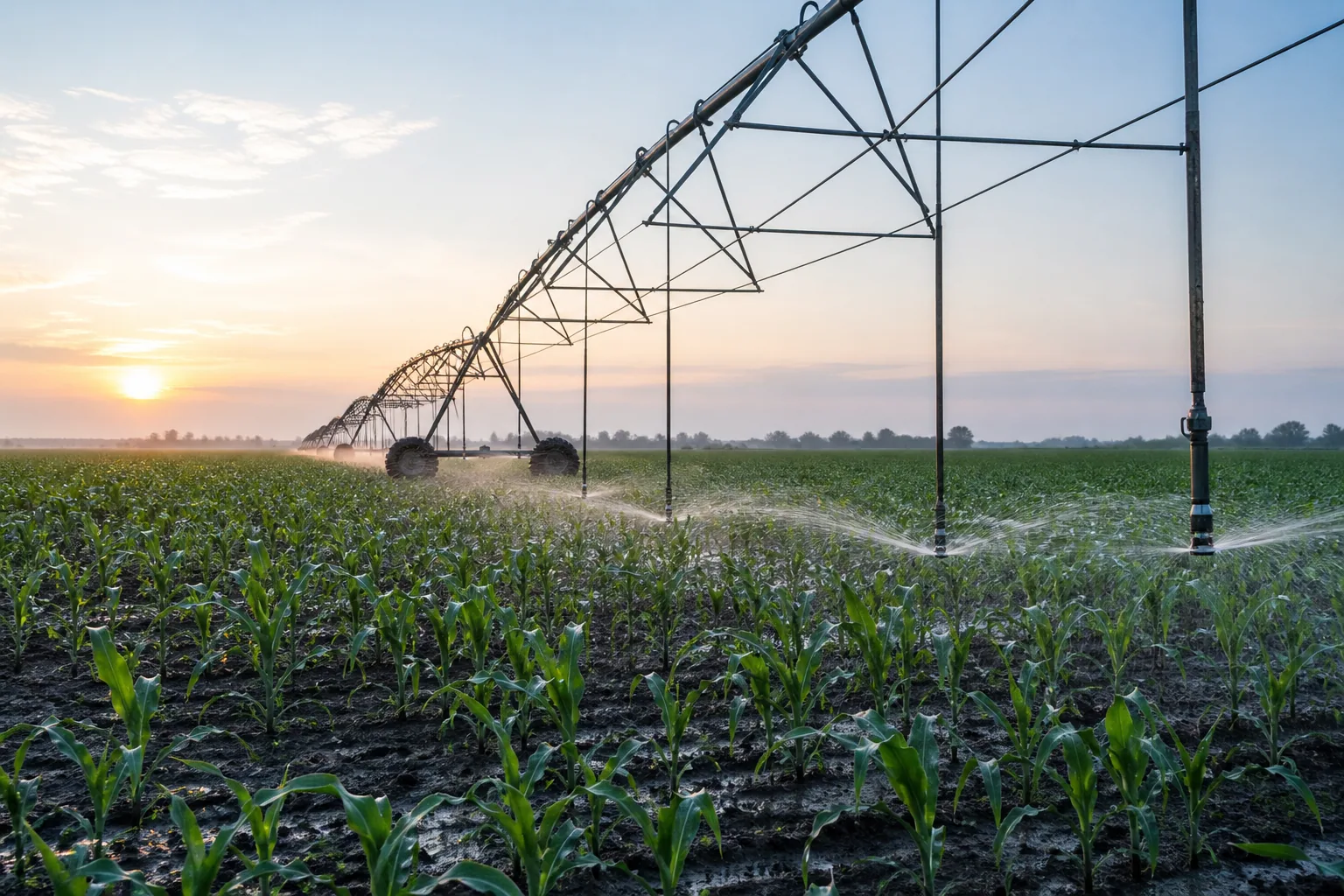
When do we water? Simple water balance instead of guessing
Combined interpretation of precipitation, evaporation, root zone and soil water resources.
Read guide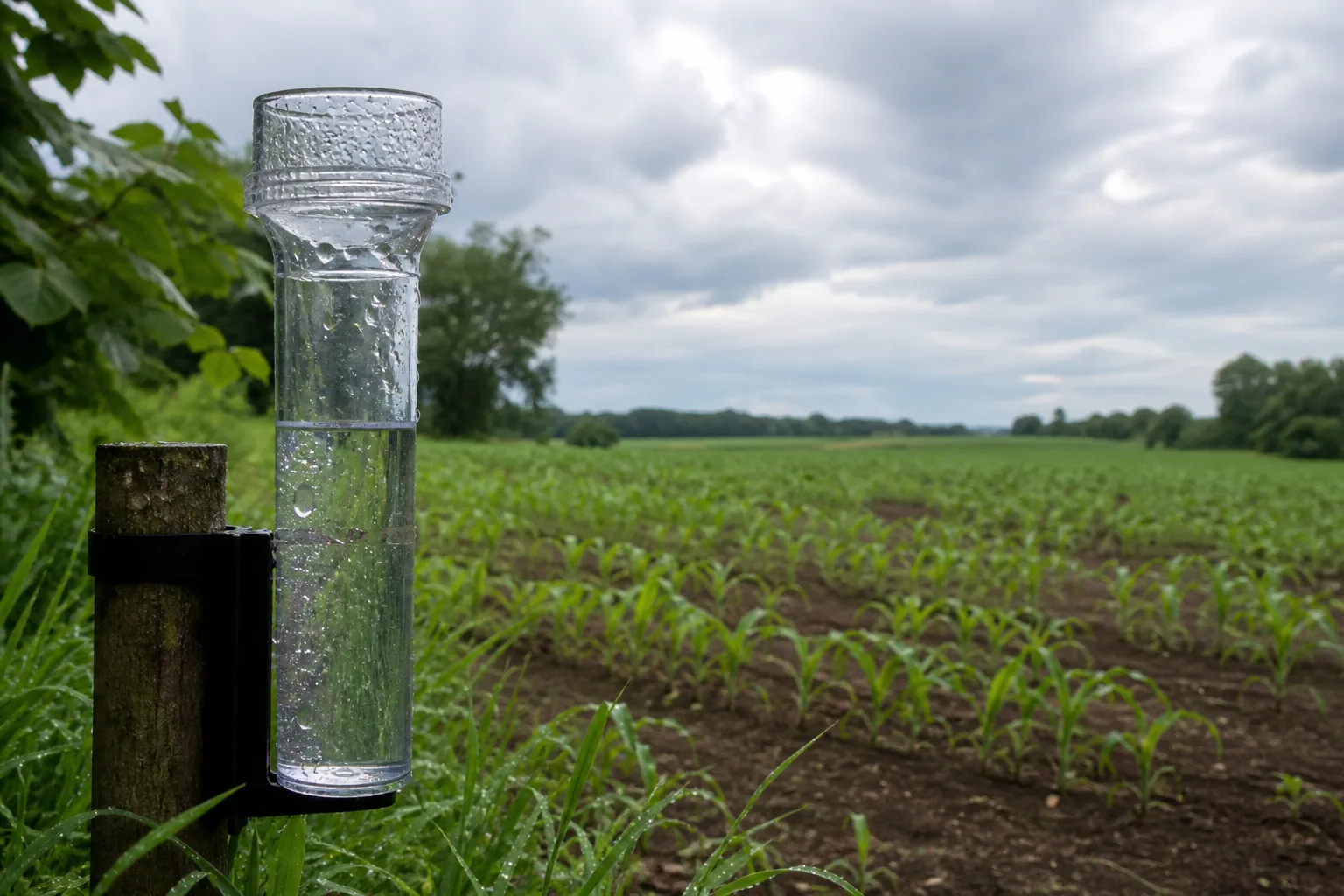
What does 1 mm of rain mean and how do we measure precipitation correctly?
Millimeter-liter conversion, correct measurement and precipitation that is actually useful in the root zone.
Read guide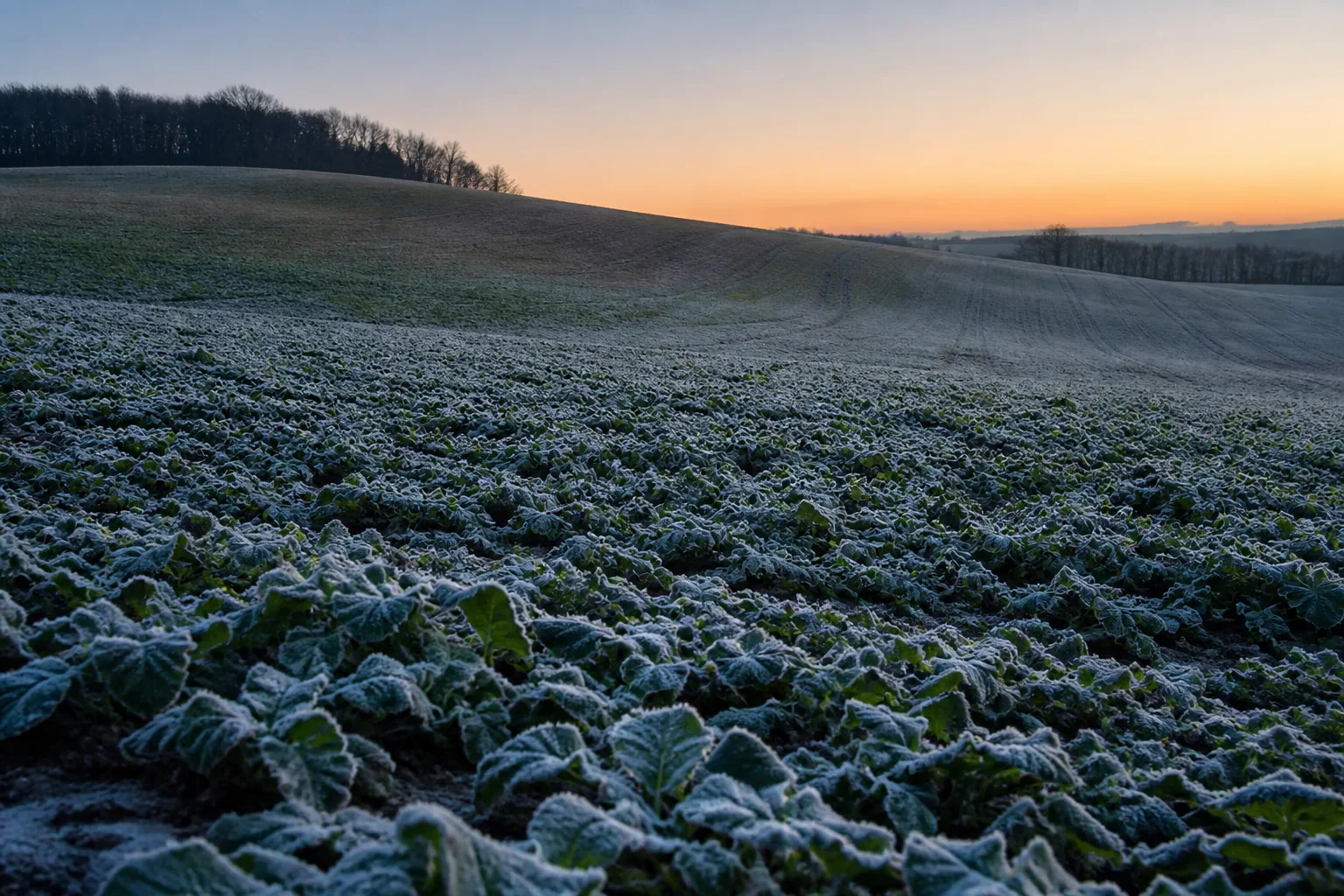
Ground frost: why can it be colder on the field than in the forecast?
Practical interpretation of the two-meter minimum, topography, dew point, wind and cloud cover.
Read guide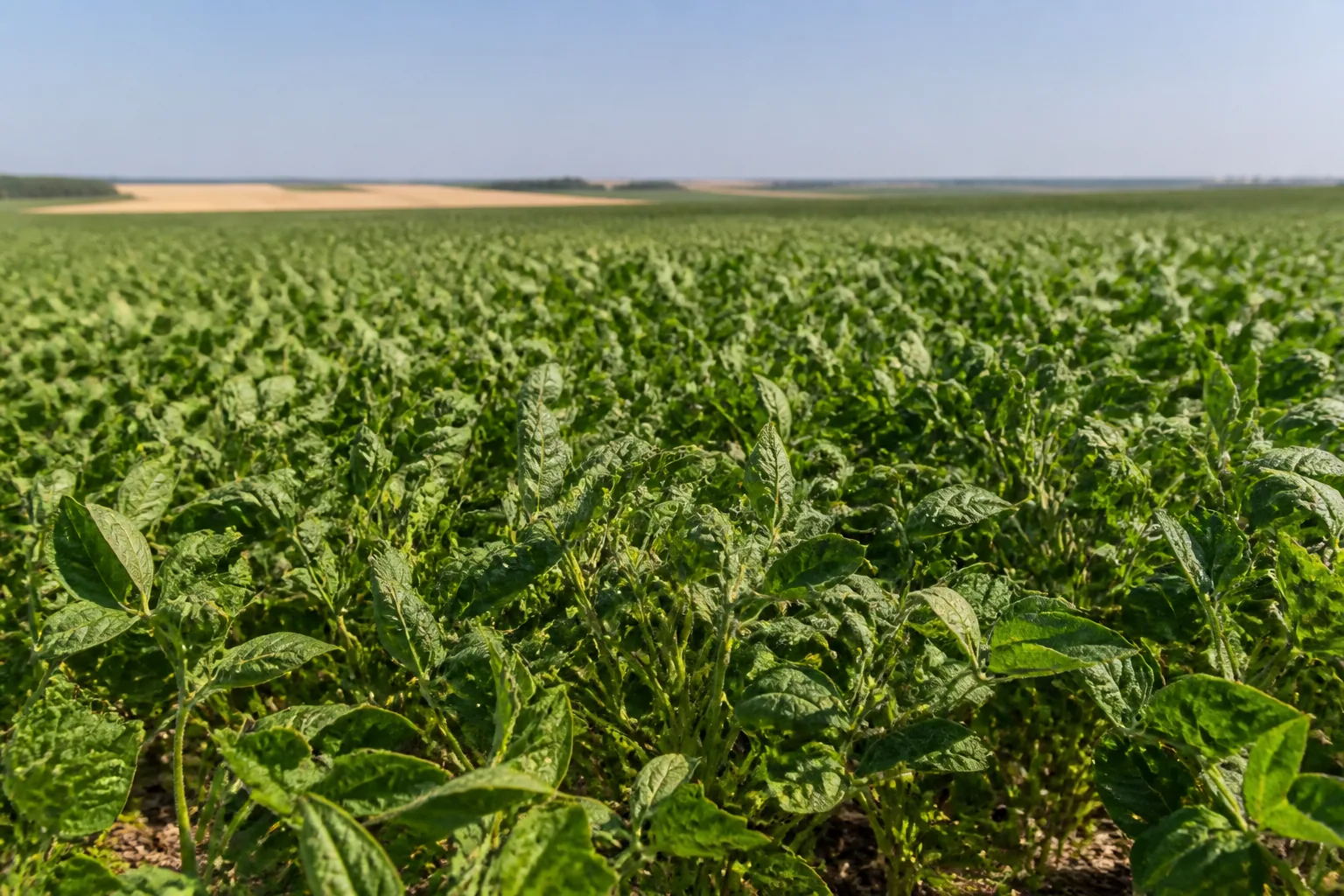
Heat stress in the crop canopy: signs and actions before a heat wave
What do you check in the root zone and the stand before the next hot season?
Read guide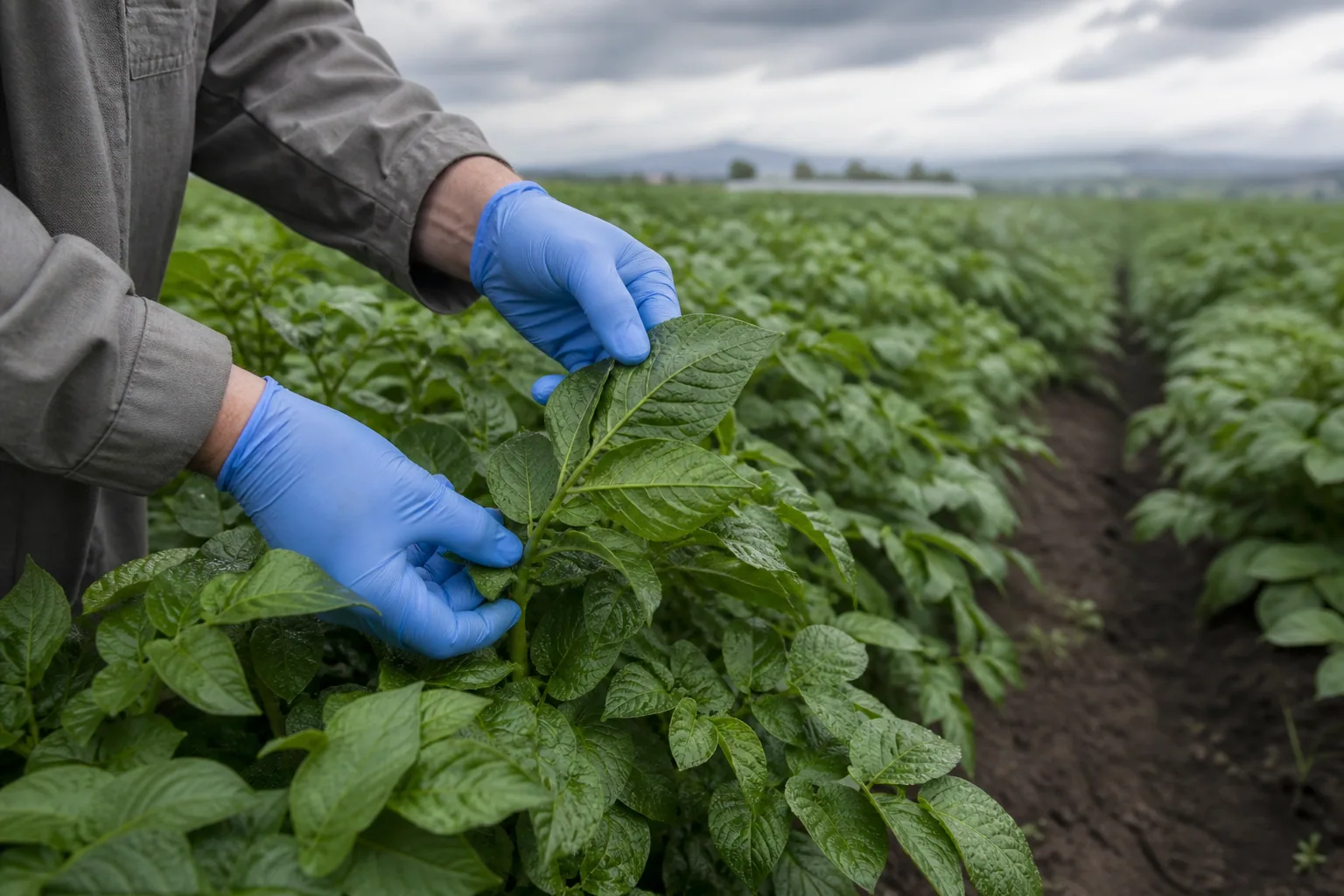
Potato blight: when does the weather risk of infection increase?
Humidity, leaf wetness and temperature: this is how the signal becomes a targeted field visit.
Read guide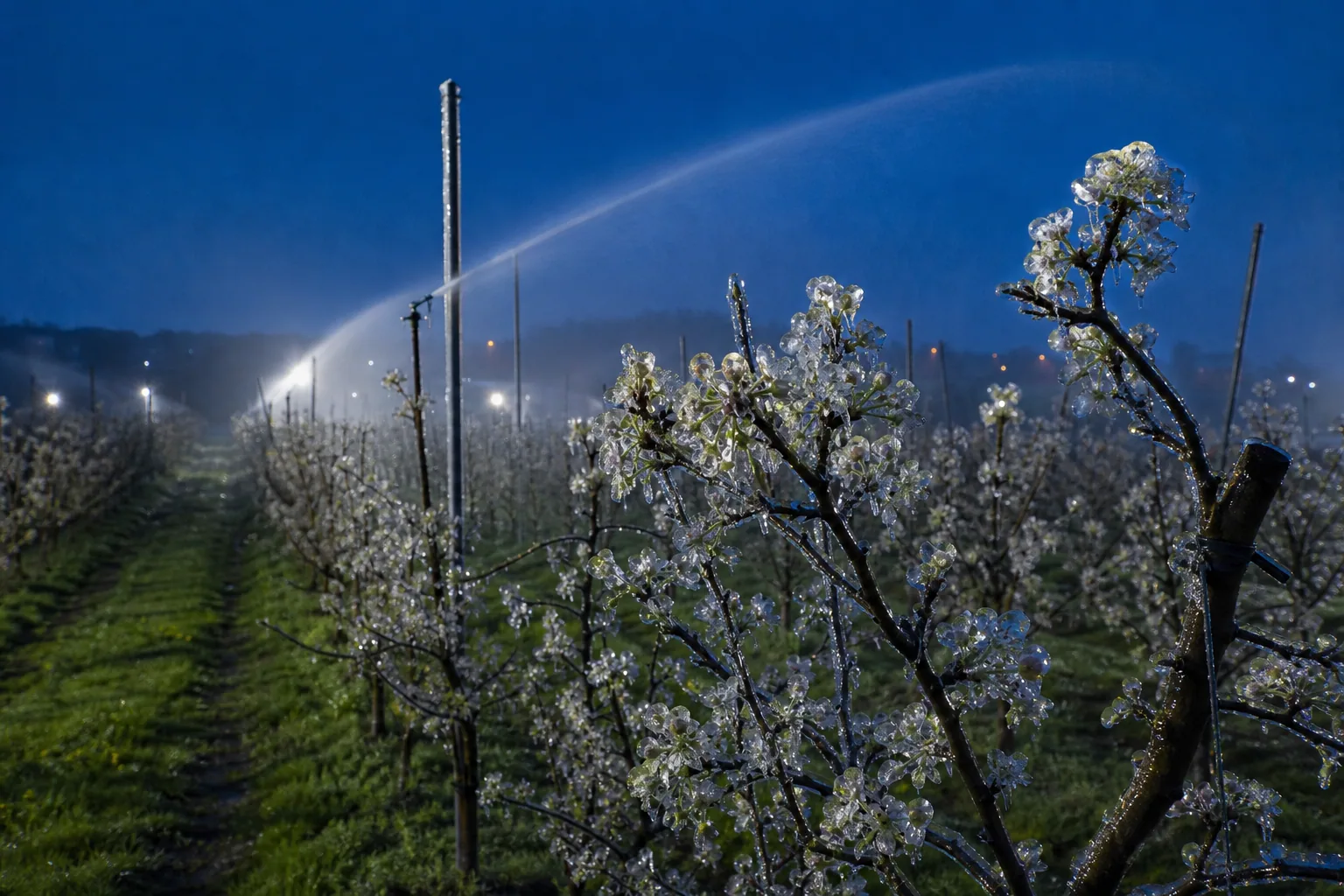
When should frost protection irrigation be started?
From dew point to wet-bulb temperature: a decision sequence and overnight checklist.
Read guide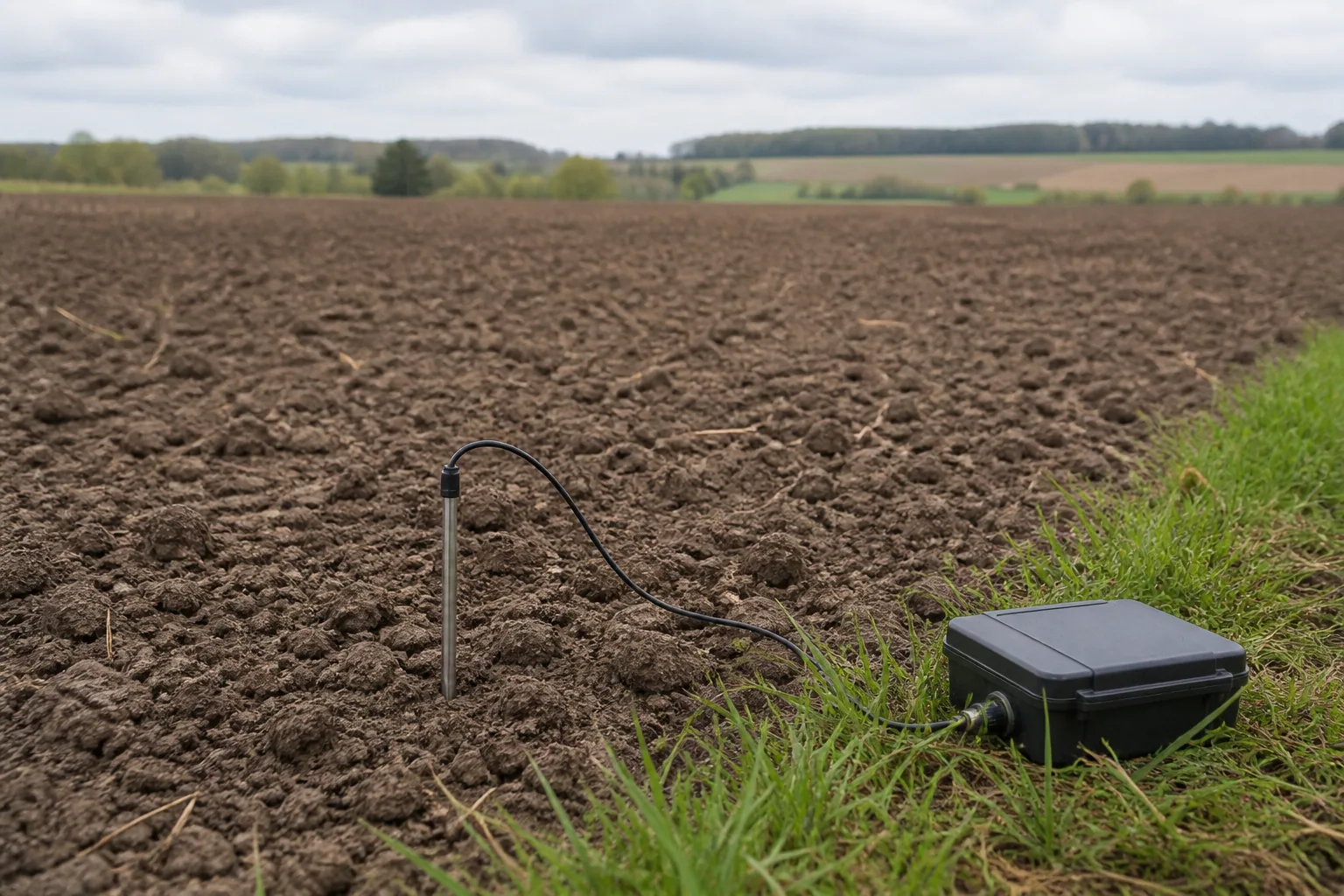
Soil temperature: where, when and how to measure it?
At what depth should you measure, and how will the data lead to a better sowing decision?
Read guide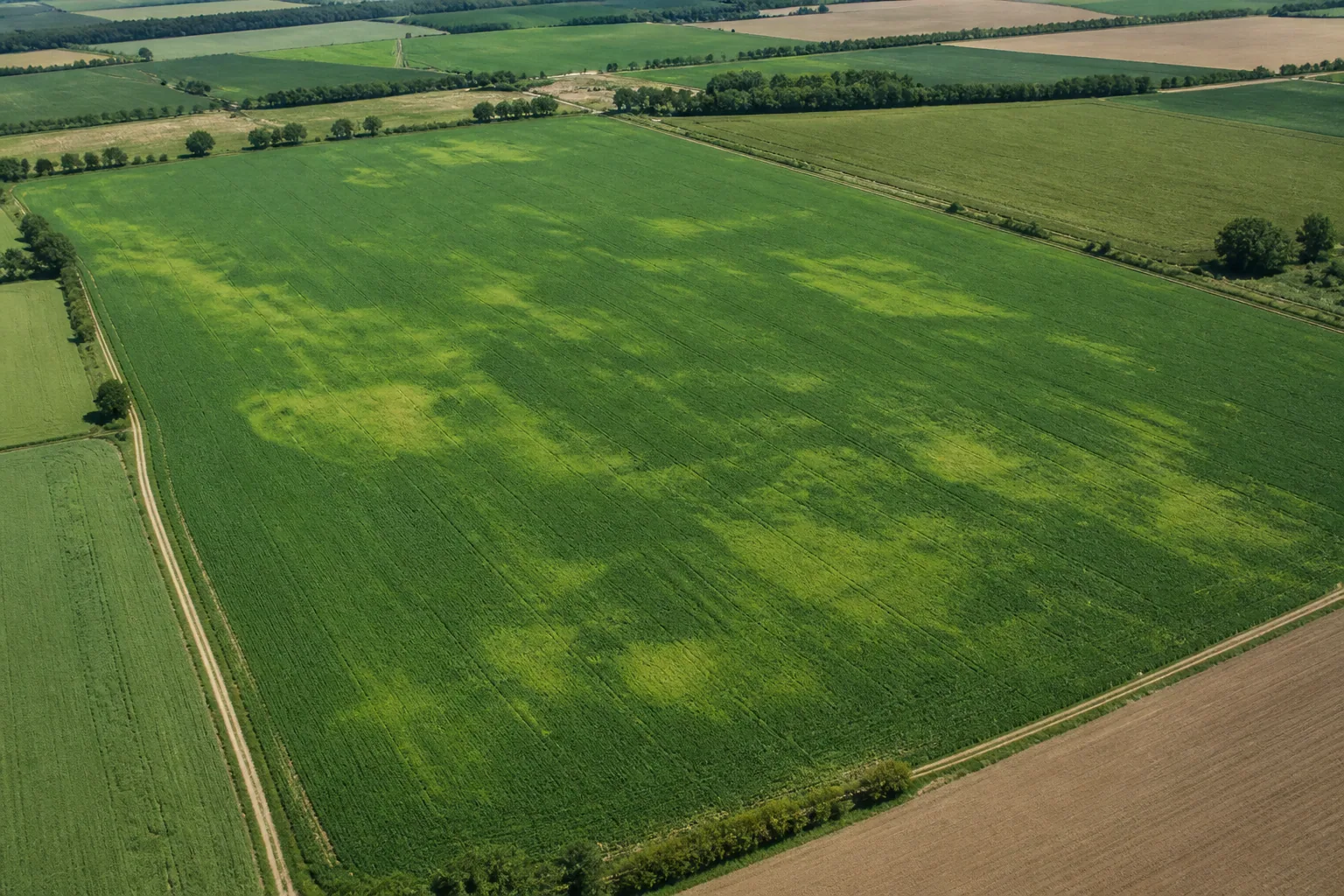
What does NDVI mean in practice?
How to find spots to walk and what not to read from a satellite image?
Read guide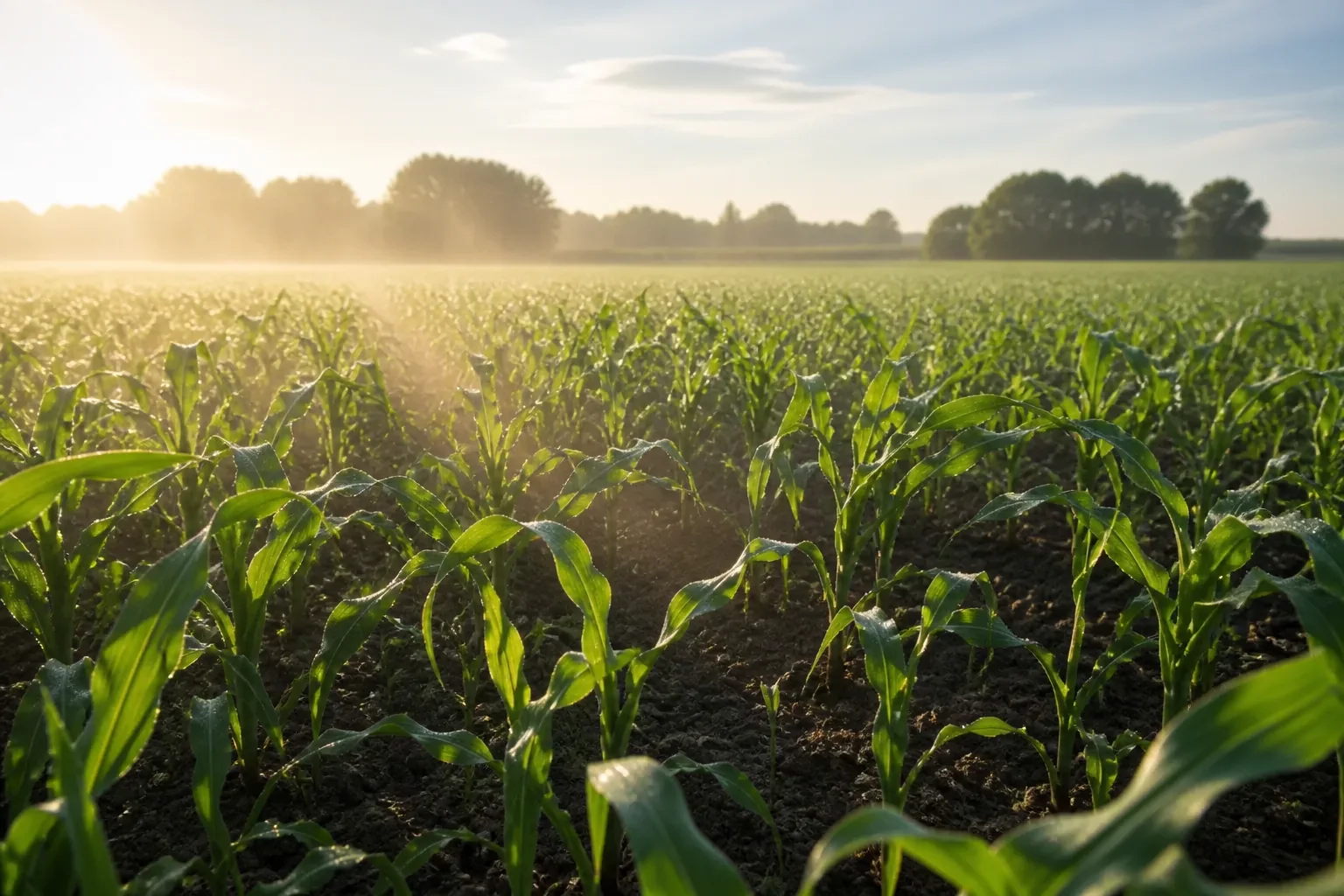
Evapotranspiration: what do ET₀ and Kc mean?
Understandable interpretation of reference evapotranspiration, plant coefficient and actual water use for irrigation decisions.
Read guide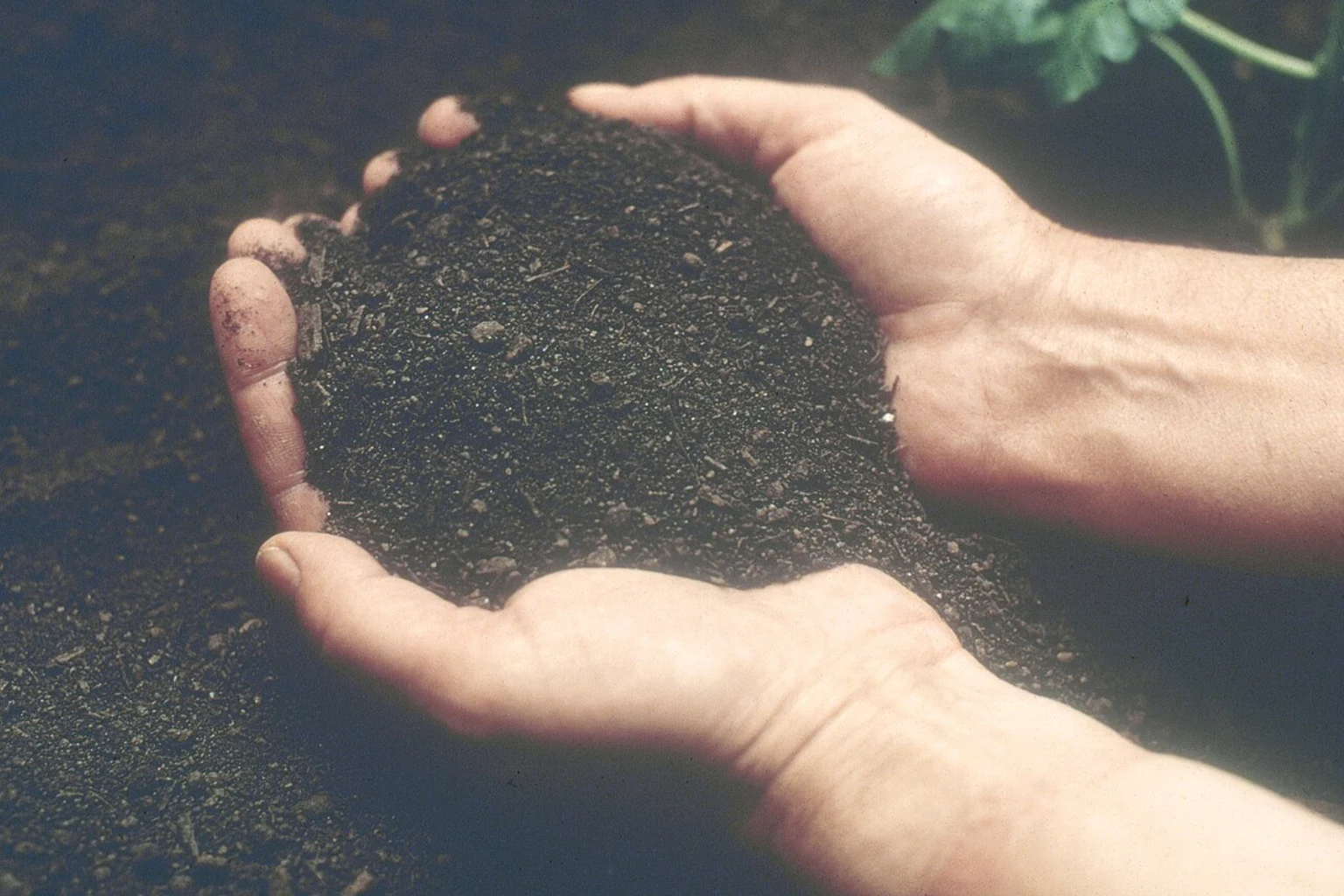
Measuring soil moisture: manual test or sensor?
Sampling depth, multi-point measurement and sensor placement: this is how you get a usable picture of the water resources in the root zone.
Read guide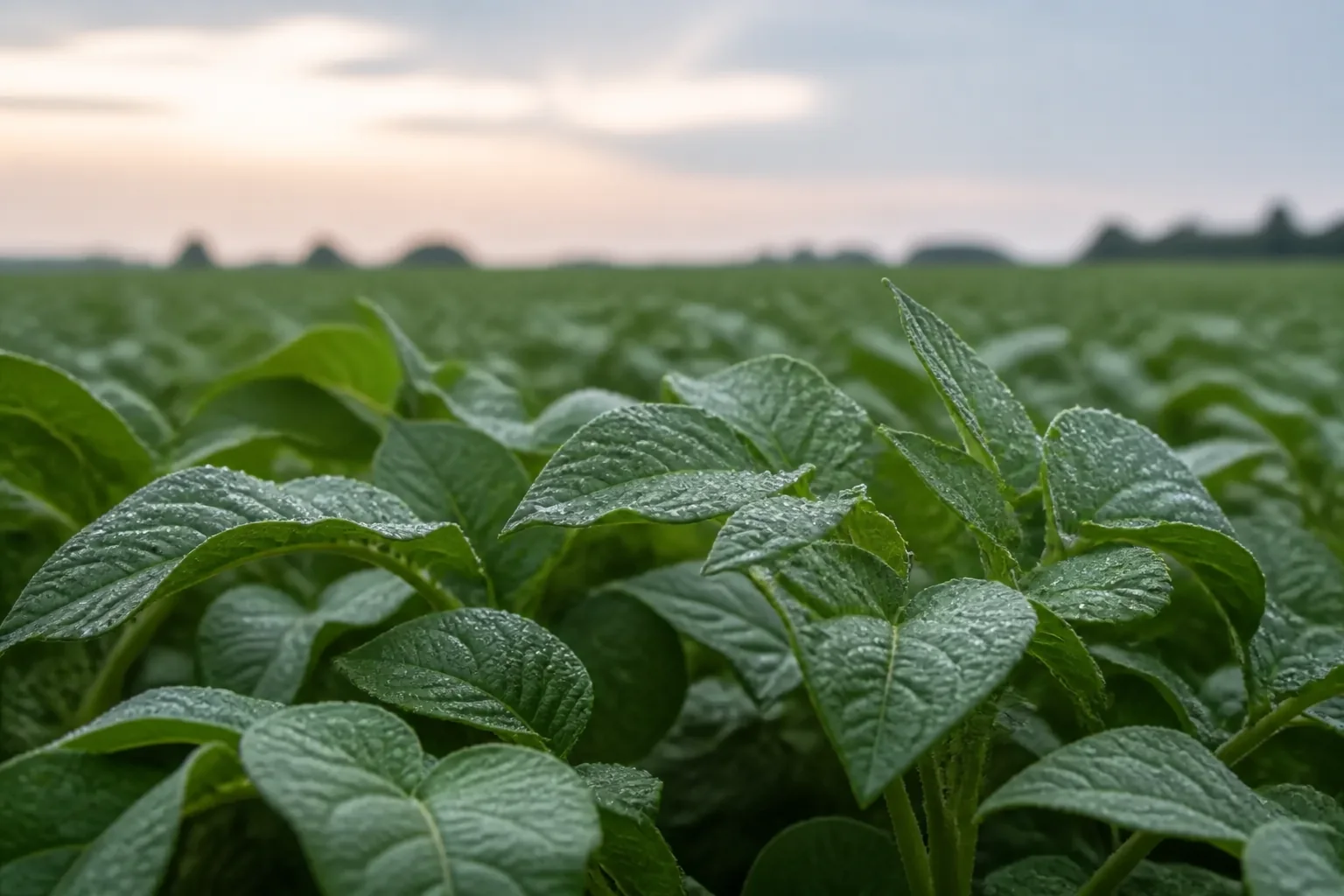
leaf wetness: what does it mean and why is it important?
Rain, dew and drying time: how does wet foliage become an infection risk, and what can the forecast be used for?
Read guide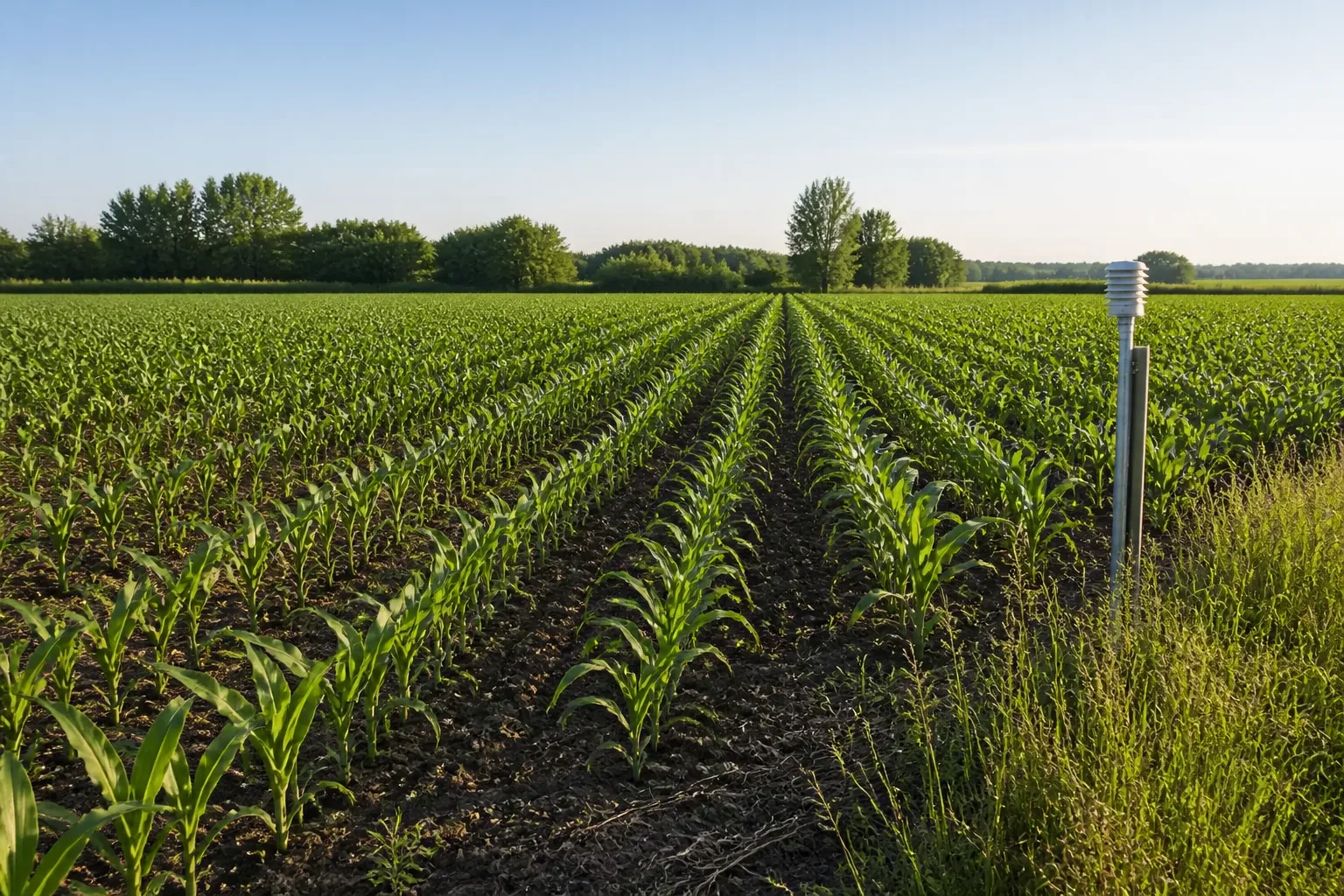
Total heat (GDD): calculation and practical use
What does the growth degree show, how is it calculated, and why should an appropriate base temperature be chosen for each crop?
Read guide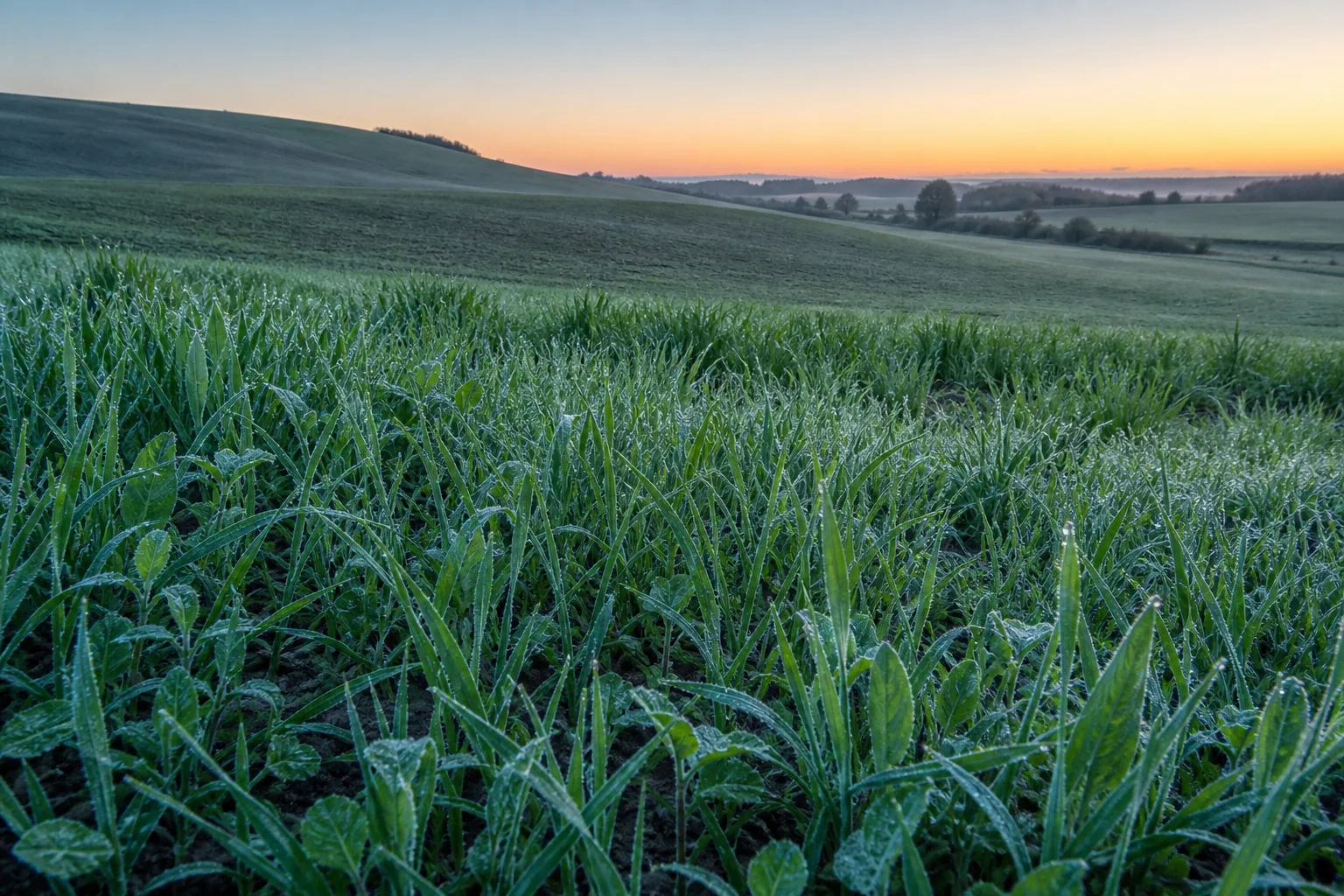
Dew point: what does it mean in agriculture?
The relationship between dew formation, leaf wetness, humidity and night cooling with practical examples.
Read guide